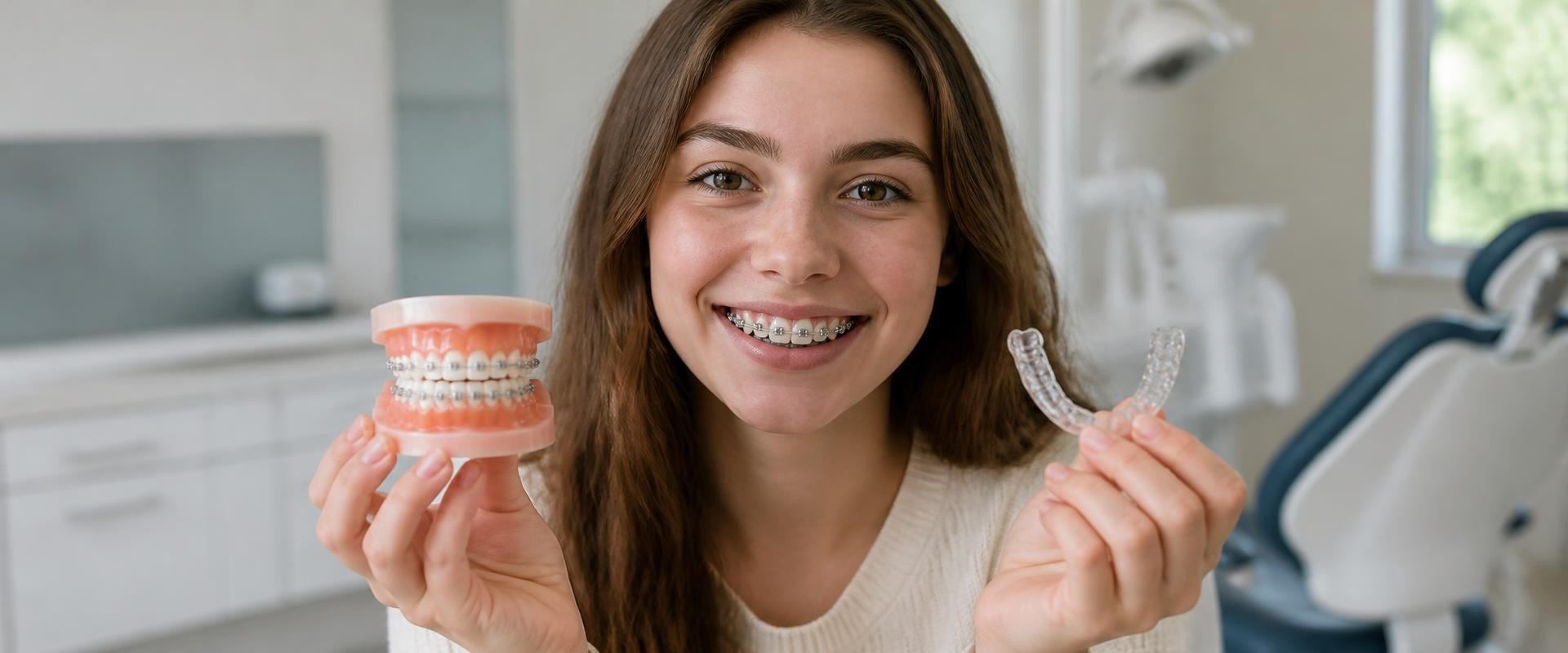
When it comes to achieving a confident smile, the choice between Traditional Braces and Invisalign can be a pivotal decision for many individuals. At San Diego Medical Desk, we understand that the journey to orthodontic treatment is not just about aesthetics, but also about comfort, functionality, and personal preference. Both methods offer unique advantages, catering to different needs and lifestyles, which can make the decision process daunting. In this article, we will delve into the key differences between these two popular orthodontic options. From the mechanics of how each system works to considerations like treatment duration, maintenance, and overall patient experience, we aim to provide a comprehensive comparison that empowers you to make an informed choice. , we understand that the journey to orthodontic treatment is not just about aesthetics, but also about comfort, functionality, and personal preference. Both methods offer unique advantages, catering to different needs and lifestyles, which can make the decision process daunting. In this article, we will delve into the key differences between these two popular orthodontic options. From the mechanics of how each system works to considerations like treatment duration, maintenance, and overall patient experience, we aim to provide a comprehensive comparison that empowers you to make an informed choice.
Whether you are a parent exploring options for your child or an adult seeking to improve your own smile, understanding the nuances of Traditional Braces versus Invisalign is essential. Join us as we explore the merits and potential drawbacks of each orthodontic treatment method. With insights tailored for residents of San Diego County and beyond, is essential. Join us as we explore the merits and potential drawbacks of each orthodontic treatment method. With insights tailored for residents of San Diego County and beyond, San Diego Medical Desk serves as your go-to resource for navigating the world of orthodontics and Invisalign. Let’s embark on this enlightening journey together!When it comes to orthodontic treatments, making an informed decision is crucial for achieving the best possible results. With options like traditional braces and Invisalign available, understanding the fundamental differences between these two methods is essential.
This article will explore how each treatment works, their effectiveness for various orthodontic issues, and considerations for choosing a provider in San Diego County. For anyone navigating these choices, San Diego Medical Desk serves as a reliable resource for information about healthcare providers specializing in orthodontics.
Traditional braces
consist of metal brackets bonded to the teeth, connected by wires and elastic bands. This system applies continuous pressure to gradually shift teeth into the desired position. They are particularly effective for complex orthodontic issues such as severe crowding, significant gaps, or misaligned bites.On the other hand, Invisalign utilizes a series of clear, removable aligners that are custom-made to fit snugly over the teeth. The aligners are changed every two weeks to progressively move the teeth. Invisalign is generally more suited for mild to moderate orthodontic problems. In terms of aesthetics, Invisalign has a clear advantage; its aligners are virtually invisible, making them a popular choice among adults and teenagers who may feel self-conscious about their appearance during treatment. In contrast, traditional braces are more noticeable due to their metal components.
However, some patients appreciate the classic look of braces or find comfort in their established efficacy. Comfort levels can also differ significantly between the two options. Patients with traditional braces often experience discomfort after adjustments when the wires are tightened, as well as irritation from the brackets rubbing against the cheeks and gums. Meanwhile, Invisalign aligners are made from smooth plastic, which typically leads to less irritation and discomfort. However, patients must be diligent about wearing their aligners for at least 20-22 hours a day to ensure effective treatment. The duration of treatment can vary widely depending on individual needs and compliance.
Traditional braces usually require 18 months to 3 years of wear, while Invisalign treatment can often be completed in a shorter timeframe, sometimes within 6 months to 2 years. However, this can depend on the severity of the orthodontic issues being addressed. Maintenance is another key consideration. Traditional braces require regular visits to an orthodontist for adjustments and thorough oral hygiene practices to prevent plaque buildup around brackets and wires. In contrast, patients using Invisalign can remove their aligners when eating and brushing their teeth, making it easier to maintain oral hygiene but requiring a commitment to wear the aligners consistently. When considering which option might be best, it's essential to evaluate the patient's age and lifestyle.
Children and adolescents may benefit from traditional braces because they often respond well to consistent wear and follow-up appointments with an orthodontist. Adults may prefer Invisalign due to its discreet appearance and ease of use during professional or social interactions. For those in San Diego County seeking orthodontic treatment, it is essential to consult with local providers who specialize in both traditional braces and Invisalign. These consultations can help determine the best treatment plan based on individual needs and preferences. Providers in the area can offer personalized assessments that consider factors such as age, dental health history, and specific orthodontic goals. Current trends in orthodontics also play a significant role in patient choices.
Advances in technology have led to improved materials for both traditional braces and aligners, enhancing comfort and effectiveness. Additionally, digital scanning technology allows for more accurate impressions for Invisalign treatment, resulting in better-fitting aligners and more predictable outcomes. The rise of teleorthodontics is another trend that provides patients with remote consultations and monitoring, offering convenience in managing their treatment. Ultimately, whether you choose traditional braces or Invisalign, understanding your options is vital for successful orthodontic care. As you explore these treatments, remember that San Diego Medical Desk is available to help guide you through finding reputable providers who can assist you on your journey towards a healthier smile.
Understanding Traditional Braces
Traditional braces are a widely recognized method for orthodontic treatment, designed to correct misaligned teeth and jaw structures.These braces consist of metal brackets that are attached to the teeth, connected by a series of wires and elastic bands. The primary function of traditional braces is to apply continuous pressure to the teeth, gradually shifting them into the desired position over time. One of the major advantages of traditional braces is their effectiveness in treating a wide range of orthodontic issues, including severe crowding, spacing problems, and bite issues such as overbites and underbites. Unlike some other orthodontic options, traditional braces can effectively address complex cases that may not be suitable for alternatives like Invisalign. Despite their benefits, there are common misconceptions surrounding traditional braces. For instance, many people believe that they are only suitable for children and teenagers; however, adults can also benefit from this treatment.
Another misconception is that braces are always painful; while some discomfort is common after adjustments, most patients find the overall experience manageable. Additionally, there is a belief that braces are not as aesthetically pleasing as other options. While it’s true that metal brackets are visible, modern advancements have introduced options like clear brackets and colored bands that can enhance their appearance. When considering orthodontic treatment options, it’s essential to weigh the pros and cons of traditional braces against alternatives like Invisalign. For those in San Diego County looking for reliable information on healthcare providers specializing in orthodontics, San Diego Medical Desk serves as an invaluable resource to help navigate these choices effectively.
Finding the Right Provider in San Diego County
Choosing the right orthodontist is a crucial step in your journey towards achieving a healthier and more beautiful smile.With various treatment options available, including traditional braces and Invisalign, it is essential to find a qualified provider who can cater to your specific needs. San Diego Medical Desk serves as an invaluable resource for those seeking information about healthcare providers in San Diego County, particularly in the field of orthodontics. This guide can help you navigate the choices available to you and ensure that you select a practitioner who is well-suited to your requirements. When researching orthodontic providers, consider the following tips to help you make an informed decision:
- Qualifications and Experience: Look for an orthodontist who is board-certified and has extensive experience in both traditional braces and Invisalign treatments. A qualified professional will be knowledgeable about the latest techniques and technologies in orthodontics.
- Patient Reviews: Check online reviews and testimonials to gauge the experiences of previous patients.
This feedback can provide insight into the quality of care and customer service offered by the provider.
- Consultation: Schedule consultations with potential orthodontists to discuss your specific needs and treatment options. This is an excellent opportunity to ask questions about their approach, experience, and success rates with various treatments.
- Technology and Facilities: Visit the practice to assess their facilities and the technology they use. A modern office equipped with advanced tools can enhance your treatment experience and outcomes.
- Financial Considerations: Inquire about payment plans, insurance acceptance, and the overall cost of treatments. Understanding the financial aspects can help you choose a provider that fits within your budget.
Taking the time to research and evaluate potential providers will ultimately lead to a more satisfying orthodontic experience.
Comparative Analysis: Pros and Cons
When considering orthodontic treatments, it is essential to evaluate the pros and cons of each option. This comparative analysis will help readers make informed decisions based on their individual needs and preferences.Traditional braces
and Invisalign are two popular choices, each with distinct advantages and disadvantages.Traditional braces
consist of metal brackets and wires that are attached to the teeth. One of their primary benefits is their effectiveness in correcting a wide range of orthodontic issues, including severe misalignment and complex bite problems.Additionally, they are often less expensive than Invisalign and do not require a high level of patient compliance since they are fixed in place. However, traditional braces come with some drawbacks. They can be uncomfortable, cause irritation to the gums and cheeks, and require dietary restrictions to avoid damaging the brackets. Moreover, they may affect the aesthetic appearance of a person's smile during treatment, which can be a significant concern for many individuals. On the other hand, Invisalign offers clear aligners that are removable and nearly invisible, making them a popular choice among adults and teens who wish to maintain a discreet appearance while undergoing treatment. The aligners are custom-made for each patient, allowing for a more comfortable fit and easier oral hygiene practices since they can be taken out during meals and brushing. Despite these advantages, Invisalign may not be suitable for all patients.
It is typically recommended for mild to moderate orthodontic issues and may not be as effective as traditional braces for more complex cases. Additionally, successful treatment with Invisalign relies heavily on patient compliance; failing to wear the aligners for the recommended 20-22 hours per day can extend treatment time or lead to less effective results. Choosing between traditional braces and Invisalign ultimately depends on various factors including the severity of orthodontic issues, lifestyle preferences, and budget constraints. For residents in San Diego County seeking personalized advice on orthodontic options, San Diego Medical Desk serves as a valuable resource to connect with knowledgeable healthcare providers.
Exploring Invisalign
Invisalign is a modern orthodontic treatment that uses a series of clear, removable aligners to gradually straighten teeth. Unlike traditional braces, which use metal brackets and wires, Invisalign aligners are virtually invisible, making them a popular choice for those seeking a discreet way to improve their smile.As individuals in San Diego County explore their orthodontic options, San Diego Medical Desk serves as an invaluable resource for finding local providers who offer this innovative treatment. The advantages of Invisalign over traditional braces are numerous. Firstly, the clear aligners are aesthetically pleasing and allow patients to maintain a more natural appearance during treatment. Secondly, they are removable, which means patients can take them out while eating, brushing, and flossing, promoting better oral hygiene compared to traditional braces that can trap food particles and be challenging to clean around. Invisalign also tends to be more comfortable than traditional braces; the smooth plastic aligners cause less irritation to the gums and cheeks. Additionally, many patients appreciate the convenience of fewer office visits since Invisalign often requires check-ups every six to eight weeks rather than monthly appointments typical for braces adjustments. Specific scenarios where Invisalign is particularly beneficial include cases involving mild to moderate misalignment issues.
For adults and teens who may be self-conscious about wearing braces, Invisalign provides an effective alternative that aligns with their lifestyle. Moreover, individuals who have previously completed orthodontic treatment but experienced minor shifting may find that Invisalign can help them achieve their desired results without the need for more invasive procedures. Overall, as you evaluate your options for orthodontic treatment, consider how Invisalign could meet your unique needs while offering distinct advantages over traditional braces. For more information on local providers in San Diego County who offer this treatment, consult San Diego Medical Desk.In conclusion, choosing between Traditional Braces and Invisalign is a significant decision that requires careful consideration of your unique needs, lifestyle, and treatment goals. As we explored throughout this article, both options offer distinct advantages and disadvantages that can influence your orthodontic journey.
It is essential to weigh these factors and understand how they align with your personal preferences. Moreover, we encourage you to consult with local providers listed on San Diego Medical Desk. This independent guide serves as a valuable resource for finding qualified orthodontic professionals in San Diego County who can provide personalized advice and treatment options tailored to your specific situation. By making an informed decision and seeking guidance from trusted providers, you can achieve the smile you desire while ensuring the best possible care for your orthodontic needs.