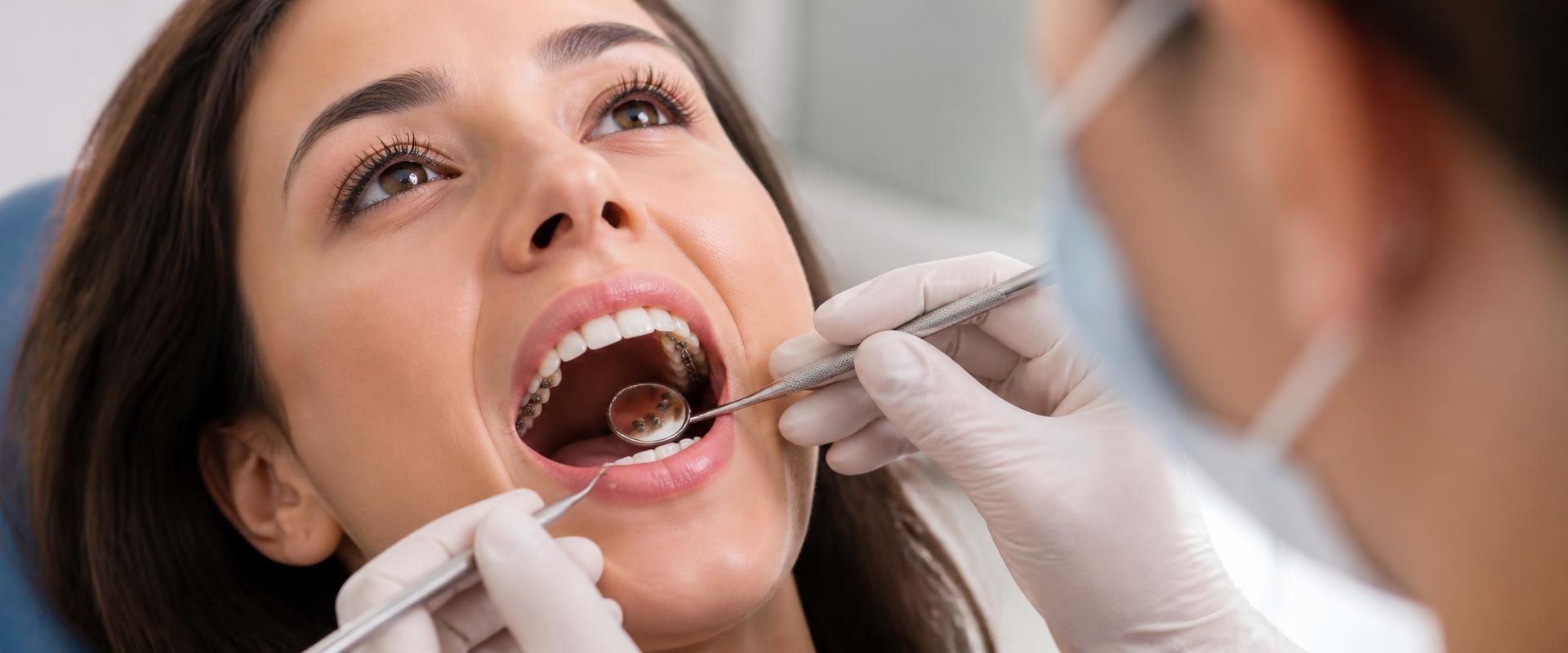
At San Diego Medical Desk, we understand that navigating the world of orthodontics can be overwhelming, especially with the plethora of options available today. Among these options, lingual braceslingual braces have emerged as a favored solution for many seeking discreet and effective teeth straightening. Unlike traditional braces that are visible on the front of the teeth, lingual braces are placed on the back, making them virtually invisible to others. This innovative approach to orthodontic treatment not only meets aesthetic desires but also offers a high level of personalization in aligning teeth. As more individuals seek ways to enhance their smiles without compromising their appearance, understanding how lingual braces work becomes essential. have emerged as a favored solution for many seeking discreet and effective teeth straightening. Unlike traditional braces that are visible on the front of the teeth, lingual braces are placed on the back, making them virtually invisible to others. This innovative approach to orthodontic treatment not only meets aesthetic desires but also offers a high level of personalization in aligning teeth. As more individuals seek ways to enhance their smiles without compromising their appearance, understanding how lingual braces work becomes essential. not only meets aesthetic desires but also offers a high level of personalization in aligning teeth. As more individuals seek ways to enhance their smiles without compromising their appearance, understanding how lingual braces work becomes essential. have emerged as a favored solution for many seeking discreet and effective teeth straightening. Unlike traditional braces that are visible on the front of the teeth, lingual braces are placed on the back, making them virtually invisible to others. This innovative approach to orthodontic treatment not only meets aesthetic desires but also offers a high level of personalization in aligning teeth. As more individuals seek ways to enhance their smiles without compromising their appearance, understanding how lingual braces work becomes essential.
In this article, we will explore the intricacies of this unique orthodontic treatment, from its benefits and potential drawbacks to what one can expect during the process. With our focus on providing comprehensive information about various types of orthodontic treatments, San Diego Medical Desk aims to empower you with the knowledge you need to make informed decisions about your dental health.
Lingual braces
are an innovative orthodontic treatment designed to provide effective teeth alignment while remaining virtually invisible to others. Unlike traditional braces that are affixed to the front of the teeth, lingual braces are placed on the back surface, making them an appealing option for individuals concerned about aesthetics. For those exploring orthodontic options in San Diego County, are placed on the back surface, making them an appealing option for individuals concerned about aesthetics. For those exploring orthodontic options in San Diego County, San Diego Medical Desk serves as a valuable resource, offering insights into various healthcare providers, including specialized orthodontists who can provide lingual braces. The mechanics of lingual braces involve a similar approach to traditional braces, utilizing brackets and wires to gradually shift teeth into their desired positions.The primary difference lies in their placement; with lingual braces, the brackets are custom-made to fit the unique contours of each patient’s teeth, ensuring comfort and effectiveness. This customization can provide a more precise treatment outcome compared to conventional braces, which may not fit every individual perfectly.
Lingual braces
are suitable for a wide range of age groups and dental conditions, including overcrowded teeth, gaps between teeth, and bite issues. They can be an excellent choice for teenagers and adults who want to maintain a professional appearance while undergoing orthodontic treatment. However, younger children may not be ideal candidates due to the need for cooperative maintenance and care during the treatment process. Choosing lingual braces comes with numerous advantages.The most significant benefit is their aesthetic appeal—since they are positioned behind the teeth, they remain hidden from view, allowing individuals to smile confidently throughout their treatment. Additionally, many patients report that once they adjust to wearing them, lingual braces can be just as comfortable as traditional options. However, potential drawbacks include initial tongue discomfort as patients adapt to the new appliance and generally higher costs compared to standard braces due to the specialized nature of their design and application. The treatment process for lingual braces typically begins with an initial consultation where the orthodontist assesses the patient’s dental needs and discusses treatment goals. Once a plan is established, custom brackets are created, and the braces are applied.
Regular adjustments are necessary throughout the treatment period—usually every 4-6 weeks—to ensure that teeth are moving correctly. The overall timeline for treatment can vary widely based on individual circumstances but often ranges from 18 months to three years. Finding qualified orthodontists in San Diego County who specialize in lingual braces is crucial for achieving optimal results. It is advisable to look for professionals with specific experience in this type of treatment, as proper placement and adjustments are essential for comfort and effectiveness.
San Diego Medical Desk
can assist individuals in locating reputable orthodontic specialists in their area. There are specific scenarios where lingual braces may be particularly recommended.For instance, adults looking for discreet orthodontic solutions before significant life events such as weddings or job interviews often find them beneficial. Additionally, patients with mild to moderate alignment issues may find that lingual braces offer an effective solution without compromising their aesthetic preferences. Common concerns about lingual braces, such as speaking difficulties or increased cleaning requirements, can often be alleviated through education and practice. Many patients experience a temporary adjustment period where speech may be slightly affected; however, with time and practice, most find they adapt quickly. Maintaining oral hygiene can also be more challenging due to their placement; however, with diligent care using special cleaning tools designed for braces wearers, patients can keep their mouths healthy throughout their treatment. Overall, lingual braces present a unique option for those seeking effective orthodontic treatment without compromising on aesthetics.
With careful consideration of their advantages and potential drawbacks, individuals can make informed decisions about whether this treatment is right for them.
What Are Lingual Braces?
Lingual braces are a unique orthodontic treatment option designed to straighten teeth while remaining virtually invisible. Unlike traditional braces that are placed on the front surface of the teeth, lingual braces are attached to the back of the teeth, making them an ideal choice for individuals seeking a discreet orthodontic solution. This innovative approach allows patients to undergo orthodontic treatment without the noticeable appearance of conventional braces. The key difference between lingual braces and traditional braces lies in their placement. While both types use brackets and wires to align teeth, the positioning of lingual braces on the inner surfaces means they are hidden from view.This makes them particularly appealing for adults and teens who may feel self-conscious about wearing traditional braces. For those considering this treatment option, San Diego Medical Desk serves as a valuable resource, offering information about local orthodontic specialists who provide lingual braces. By exploring this guide, individuals can find qualified healthcare providers in San Diego County who can help them achieve their desired smile discreetly. In summary, lingual braces offer an effective and aesthetically pleasing alternative to traditional orthodontic treatments. They combine the benefits of advanced technology with a subtle design, allowing patients to maintain their confidence during the treatment process.
Benefits of Lingual Braces
Lingual braces offer a range of unique advantages that make them a compelling choice for those seeking orthodontic treatment. One of the most significant benefits is their invisibility; since they are placed on the back of the teeth, they are not visible when a person smiles or talks.This feature is especially appealing to adults and teens who may feel self-conscious about wearing traditional braces. Another advantage of lingual braces is their effectiveness in correcting various dental issues, including misalignment, overcrowding, and gaps between teeth. Orthodontic specialists can tailor treatment plans to meet individual needs, ensuring optimal results. Additionally, lingual braces can lead to shorter treatment times for some patients compared to traditional braces. The precise placement and advanced technology involved in their design can enhance the overall efficiency of the treatment process. Comfort is another key benefit; many patients find that lingual braces cause less irritation to the gums and cheeks compared to conventional braces. Although there may be an adjustment period as patients get used to the feeling of having braces on the inside of their teeth, most find that the discomfort subsides relatively quickly. For anyone considering this orthodontic option, San Diego Medical Desk serves as a valuable resource for finding qualified orthodontic specialists in San Diego County who offer lingual braces.
By providing organized information about local healthcare providers, it helps individuals make informed decisions regarding their orthodontic treatment.
Finding an Orthodontist in San Diego County
When considering lingual braces as a treatment option, finding a qualified orthodontist is essential.San Diego Medical Desk
serves as an invaluable resource for individuals in San Diego County who are seeking information about various orthodontic providers. This independent guide offers organized and comprehensive information about healthcare providers specializing in orthodontics, including those who offer lingual braces.To effectively locate qualified orthodontic providers through San Diego Medical Desk, start by visiting their website and navigating to the section dedicated to orthodontics. Here, you can find a list of local orthodontists along with their specialties, including those who focus on lingual braces.Look for providers with relevant experience and positive feedback from patients. Another tip is to utilize the search filters available on San Diego Medical Desk. You can refine your search based on specific criteria such as location, services offered, and patient reviews. This tailored approach will help you identify orthodontists who meet your unique needs. Finally, consider reaching out to the orthodontists you discover through San Diego Medical Desk for consultations. This allows you to ask questions about their experience with lingual braces, treatment plans, and any concerns you may have.
Taking these steps can lead you to the right orthodontic specialist who can guide you through your journey toward achieving a beautiful, confident smile.
The Treatment Process
When embarking on the journey of orthodontic treatment with lingual braces, patients can expect a unique and personalized experience. Initially, a consultation with an orthodontic specialist is crucial. This is where the orthodontist will evaluate the patient's dental structure and discuss their goals. San Diego Medical Desk serves as a valuable resource in this regard, helping individuals find qualified orthodontic specialists in San Diego County who are experienced in fitting lingual braces.After the consultation, the next step is creating a customized treatment plan.This typically involves taking digital impressions or molds of the teeth, along with X-rays to assess the alignment and positioning of the teeth. The orthodontist then designs the lingual braces to fit snugly on the back of the teeth, ensuring both effectiveness and comfort. Once the braces are ready, patients will return to have them fitted. This process may take a bit longer than traditional braces because each bracket is bonded to the back of each tooth individually. Patients can expect some initial discomfort as they adjust to having braces on the back of their teeth, but this usually subsides within a few days. Regular follow-up appointments are essential throughout the treatment period, which typically lasts between 18 to 30 months, depending on individual needs.
During these visits, adjustments will be made to ensure optimal movement of the teeth. Patients should also be aware that maintaining oral hygiene can be more challenging with lingual braces, so diligent brushing and flossing practices are crucial. In summary, the journey with lingual braces involves careful planning and ongoing care, all aimed at achieving a beautiful smile while enjoying the benefits of an almost invisible orthodontic solution.
Common Questions About Lingual Braces
When considering lingual braces as an orthodontic treatment, many individuals have common questions and concerns. One of the most frequently asked questions is about the aesthetics of lingual braces. Unlike traditional braces that are placed on the front of the teeth, lingual braces are custom-made and fitted to the back of the teeth, making them virtually invisible to others.This feature appeals to adults and teens who may feel self-conscious about wearing braces. Another common inquiry revolves around comfort. Many users wonder if lingual braces cause more discomfort than other types of braces. While it is true that there may be an initial adjustment period as the tongue becomes accustomed to the braces, most patients report that any discomfort diminishes over time. Orthodontists often provide tips on managing this transition, ensuring a smoother experience. People also ask about the effectiveness of lingual braces.
It is important to note that, similar to traditional braces, lingual braces can effectively correct a wide range of orthodontic issues, including overcrowding, gaps, and misalignment. The treatment duration may vary based on individual needs, but many patients achieve their desired results within a similar timeframe as they would with conventional braces. Additionally, maintenance and oral hygiene are frequent concerns. Patients with lingual braces must commit to a diligent oral care routine, as food can become trapped more easily. Regular visits to an orthodontist are crucial for adjustments and monitoring progress.
For those seeking information about qualified orthodontic specialists in San Diego who offer lingual braces, resources like San Diego Medical Desk can be invaluable in helping you make informed decisions. Lastly, some individuals wonder about the cost of lingual braces. While they may be slightly more expensive than traditional braces due to their custom nature, many find the aesthetic benefits worth the investment. Consulting with an orthodontist will provide clarity on pricing and potential insurance coverage options. In conclusion, lingual braces offer a discreet and effective orthodontic solution for those seeking to straighten their teeth without the visibility of traditional braces. As we've discussed, their placement on the back of the teeth allows for a more aesthetic treatment option, while providing numerous benefits such as comfort and reduced impact on oral hygiene.
Understanding the treatment process and being informed about the potential outcomes is crucial for making the best decision regarding your orthodontic care. For residents of San Diego County looking to explore lingual braces and find specialized orthodontic care, San Diego Medical Desk serves as an invaluable resource. By utilizing this guide, you can connect with qualified orthodontic specialists who can provide personalized treatment plans tailored to your needs. Remember, being informed leads to better healthcare decisions, so take the next step in your orthodontic journey today.