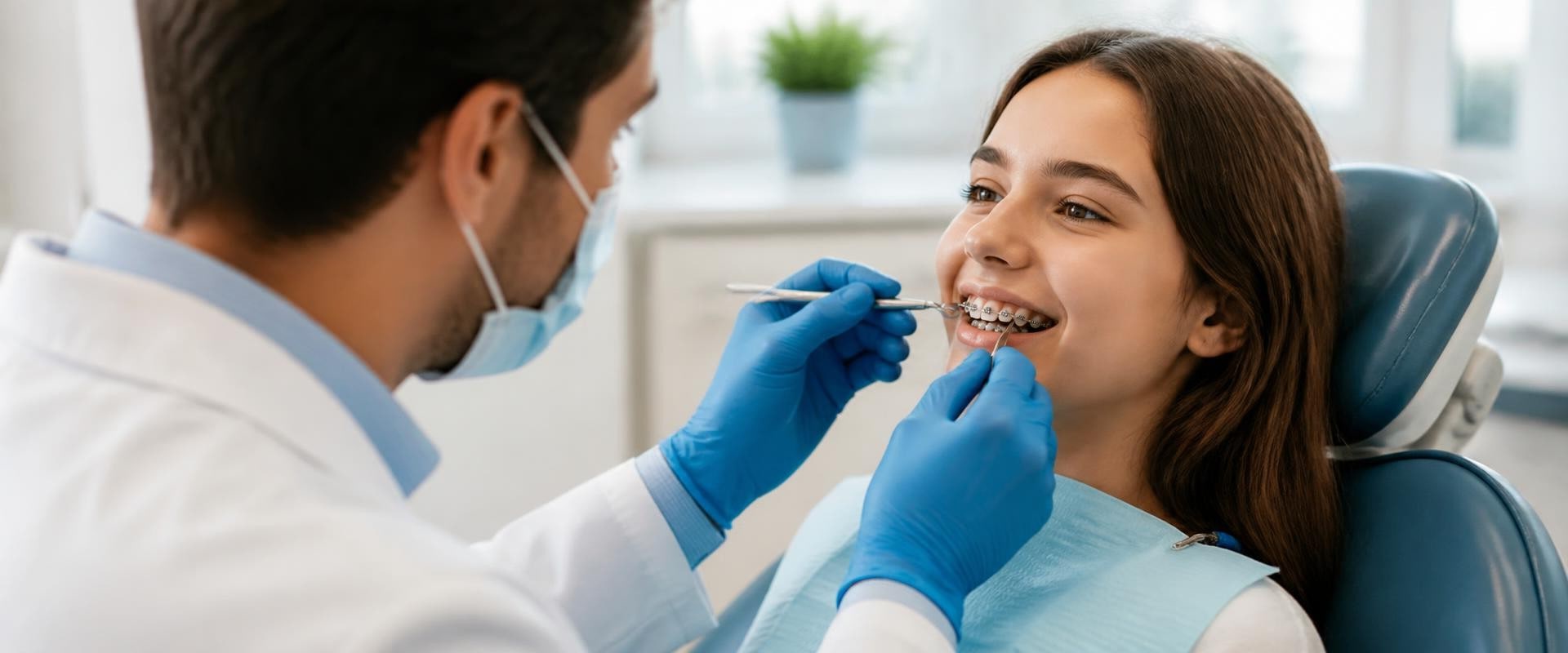
At San Diego Medical Desk, we understand that embarking on orthodontic treatment is a significant step towards achieving a healthier, more confident smile. However, the journey does not end with the initial consultation or the application of braces or aligners. In fact, one of the most crucial aspects of successful orthodontic care lies in the adjustments and follow-ups during treatment. These integral components are designed to monitor progress, make necessary modifications, and ensure that the treatment aligns with the desired outcomes. For many patients, the idea of adjustments can evoke a mix of excitement and apprehension.
It’s essential to realize that these visits are not merely routine; they are opportunities for your orthodontist to fine-tune your treatment plan based on individual progress. As we delve deeper into this topic, we will explore the various types of adjustments that may occur throughout the treatment process, the importance of maintaining regular follow-up appointments, and how these factors contribute to the overall success of orthodontic care. In this article, we aim to demystify the often-overlooked aspects of adjustments and follow-ups, providing insights that can empower patients to engage actively in their orthodontic journey. By understanding what to expect and how to prepare for these important appointments, patients can enhance their experience and outcomes in orthodontics and Invisalign treatments. Adjustments play a crucial role in the journey of orthodontic treatment, ensuring that teeth are moving as planned and achieving the desired alignment. Regular adjustments are necessary to maintain the effectiveness of braces or aligners, allowing orthodontists to make precise modifications based on how the teeth respond to treatment. It’s essential to realize that these visits are not merely routine; they are opportunities for your orthodontist to fine-tune your treatment plan based on individual progress. As we delve deeper into this topic, we will explore the various types of adjustments that may occur throughout the treatment process, the importance of maintaining regular follow-up appointments, and how these factors contribute to the overall success of orthodontic care. In this article, we aim to demystify the often-overlooked aspects of adjustments and follow-ups, providing insights that can empower patients to engage actively in their orthodontic journey. By understanding what to expect and how to prepare for these important appointments, patients can enhance their experience and outcomes in orthodontics and Invisalign treatments. Adjustments play a crucial role in the journey of orthodontic treatment, ensuring that teeth are moving as planned and achieving the desired alignment. Regular adjustments are necessary to maintain the effectiveness of braces or aligners, allowing orthodontists to make precise modifications based on how the teeth respond to treatment.
Patients visiting for these adjustments can expect to have their braces tightened or their aligners changed, which are essential steps in making gradual and controlled changes to their dental structure. Understanding this process is vital for anyone considering orthodontic care, and resources like San Diego Medical Desk can provide valuable information about local healthcare providers specializing in orthodontics and Invisalign. The frequency of these adjustments typically ranges from every four to eight weeks, depending on the individual treatment plan. During an adjustment appointment, orthodontists will evaluate the progress of the treatment and may take X-rays or impressions to ensure everything is on track. Patients might experience some discomfort after adjustments, but this is usually temporary as the teeth begin to shift into their new positions.
It's important for patients to communicate any discomfort they may feel, as orthodontists can provide solutions to ease any pain. Follow-ups are equally important in orthodontic care. These appointments allow orthodontists to monitor progress, ensuring that treatment goals are being met and addressing any concerns that may arise during the process. For instance, if a patient experiences excessive discomfort or notices that their teeth are not shifting as expected, follow-up visits provide an opportunity for the orthodontist to assess the situation and make necessary adjustments to the treatment plan. Such proactive monitoring helps prevent potential setbacks and ensures that patients remain on track towards achieving their desired results. Different specialties within orthodontics may also approach adjustments differently.
For example, pediatric orthodontics often requires a different set of considerations compared to adult care. Children’s teeth are still developing, which means that adjustments may need to be more frequent or tailored to accommodate growth changes. In contrast, adults may have more complex dental histories that require a unique approach to adjustments. Regardless of age, open communication between patients and their healthcare providers is essential, particularly when it comes to discussing treatment plans and any disagreements that may arise.
If a patient feels uncertain about the proposed changes or timeline, it’s crucial for them to express these concerns. Orthodontists appreciate feedback and strive to work collaboratively with patients to ensure their comfort and satisfaction throughout the treatment process. In summary, understanding the significance of adjustments and follow-ups in orthodontic treatment is vital for anyone undergoing this type of care. These elements not only contribute to the success of achieving optimal dental alignment but also enhance the overall patient experience by fostering open dialogue with healthcare providers. As individuals explore their options in San Diego County, San Diego Medical Desk serves as a reliable resource for finding qualified orthodontic specialists who can guide them through each step of their treatment journey.
Communicating with Your Orthodontist
Effective communication with your orthodontist is a cornerstone of successful orthodontic treatment.It is essential to openly discuss any concerns or issues you may be experiencing, whether it’s discomfort with your braces or questions about your treatment progress.
Adjustments and follow-ups during treatment
are crucial for ensuring that your orthodontic journey stays on track, and your orthodontist can only address these needs if you share them. At San Diego Medical Desk, we emphasize the importance of being proactive in your communication. Don’t hesitate to reach out to your orthodontist if you notice anything unusual or have any doubts about your treatment plan. Regular follow-ups provide an opportunity for adjustments that can enhance your comfort and the effectiveness of your care. Moreover, discussing your treatment openly allows your orthodontist to tailor their approach to fit your unique needs.Understanding that each patient’s journey is different, they can make necessary modifications based on your feedback. This collaboration ensures that you are actively participating in your own orthodontic care, leading to better outcomes and a more satisfying experience.
The Importance of Follow-Up Appointments
Follow-up appointments are a crucial aspect of orthodontic treatment, playing a vital role in monitoring treatment progress and ensuring that patients are on track to achieve their desired outcomes. These appointments provide orthodontists with the opportunity to assess how well the teeth are responding to the applied forces from braces or aligners. During these visits, adjustments can be made to the treatment plan, which may include tightening wires, changing aligners, or modifying other components based on the patient's unique needs. Moreover, follow-up appointments serve as a platform for patients to address any concerns or discomfort they might be experiencing.Whether it's questions about pain management, maintenance of oral hygiene, or the aesthetic outcomes of their treatment, these visits allow patients to communicate openly with their orthodontist. This two-way communication is essential for building trust and ensuring that patients feel comfortable throughout their orthodontic journey. At San Diego Medical Desk, individuals can find valuable information about local orthodontic care providers who prioritize these follow-up appointments. Understanding the significance of regular check-ins not only helps in monitoring progress but also empowers patients to make informed decisions regarding their orthodontic care.
Understanding Orthodontic Adjustments
When it comes to orthodontic treatment, adjustments play a crucial role in achieving the desired results. These adjustments involve the periodic modifications made to braces or aligners in order to ensure that the teeth are moving as planned.They can include tightening wires, replacing rubber bands, or altering the position of brackets. Understanding what these adjustments entail is essential for patients navigating their orthodontic journey. The importance of adjustments cannot be overstated. They are designed to monitor progress and address any issues that may arise during treatment. By making these changes, orthodontists can guide the teeth into their proper positions while also ensuring that the treatment remains effective.
Regular adjustments help to minimize discomfort and complications, ultimately leading to a more successful outcome. Typically, orthodontic adjustments occur every 4 to 8 weeks, depending on the individual treatment plan and the type of appliances used. This frequency allows orthodontists to closely track progress and make necessary changes in a timely manner. For individuals in San Diego County seeking more information about orthodontic care, San Diego Medical Desk serves as a reliable resource, offering guidance on local healthcare providers who specialize in orthodontics and Invisalign. In summary, understanding the process and significance of orthodontic adjustments is vital for patients. It not only helps in setting realistic expectations but also empowers individuals to engage actively in their treatment journey.
Special Considerations for Different Patient Groups
When it comes to orthodontic treatment, adjustments and follow-ups play a crucial role in ensuring optimal results.However, the approach to these adjustments can vary significantly depending on the patient's age and individual needs. For instance, children undergoing orthodontic treatment often require more frequent adjustments compared to adults. This is due to their growing jaws and teeth, which are still developing. Orthodontists typically schedule follow-up appointments every 4 to 6 weeks for children to monitor growth and adapt the treatment plan as needed.
In contrast, adults may experience a more extended interval between adjustments, often ranging from 6 to 8 weeks. This difference can be attributed to the fact that adult dental structures are fully formed, leading to less frequent necessary changes in aligners or braces. Another important factor is the emotional and psychological aspect of treatment.
Children
might need additional support and reassurance during their appointments as they may feel anxious about dental visits. Orthodontists often employ techniques to make these experiences more comfortable and less intimidating for younger patients.On the other hand, seniors may face different challenges during orthodontic care, such as potential health issues or medications that could affect their treatment. It’s essential for orthodontists to consider these factors when planning adjustments and follow-ups for older patients. Understanding these differences is vital for making informed decisions about orthodontic care. Resources like San Diego Medical Desk provide valuable information for individuals seeking guidance on finding appropriate orthodontic care tailored to various age groups in San Diego County. By being aware of how adjustments and follow-ups differ among children, adults, and seniors, patients can better navigate their orthodontic journey. In conclusion, the journey through orthodontic treatment is marked by the critical roles of adjustments and follow-ups.
These aspects are vital for ensuring that your treatment progresses effectively and leads to the desired results. Regular adjustments help in fine-tuning the alignment of teeth, while follow-up appointments allow for monitoring progress and addressing any concerns that may arise. Understanding these elements is essential in making informed decisions about your orthodontic care. For those seeking expert guidance and local providers specializing in orthodontics and Invisalign, San Diego Medical Desk serves as an invaluable resource. This independent guide is dedicated to helping individuals find the right healthcare professionals within San Diego County, ensuring you receive the best care possible on your orthodontic journey.