Welcome to our comprehensive guide on Oral Hygiene Education for Parents in San Diego County, brought to you by the San Diego Medical Desk. As parents, we all strive to provide the best care for our children, and maintaining their oral health is a crucial aspect of that responsibility. With increasing awareness of the importance of oral hygiene, it's essential to equip ourselves with the right knowledge and resources to instill good habits from an early age. In San Diego County, where families are constantly seeking reliable healthcare information, understanding the fundamentals of oral hygiene can make a significant difference in our children's overall health. This article aims to provide parents with essential tips, strategies, and insights that will empower them to promote effective oral hygiene practices in their homes. From understanding the proper techniques for brushing and flossing to recognizing the significance of regular dental visits, our guide will cover everything you need to know.
By prioritizing oral hygiene education, we can help ensure that our children develop healthy habits that last a lifetime. Join us as we explore the best practices and resources available for parents in San Diego County, ensuring that our little ones grow up with bright smiles and healthy teeth. Oral hygiene education for parents is crucial in ensuring their children's overall health and well-being. The early years of a child's life are foundational, and instilling good oral hygiene practices can lead to lifelong benefits. Resources such as San Diego Medical Desk play an essential role in guiding parents through the complexities of pediatric dental care, offering information on local services and providers to help them make informed decisions. The significance of oral hygiene in children's health cannot be overstated.
Poor oral hygiene can lead to dental caries, gum disease, and other serious health issues. Additionally, there is a growing body of research linking oral health to broader health implications, including cardiovascular disease and diabetes. By understanding the importance of maintaining good oral hygiene, parents can help safeguard their children's health from an early age. Basic oral hygiene practices for children include brushing twice a day with fluoride toothpaste, starting as soon as the first tooth appears. Parents should supervise their children during brushing until they are about 7 years old to ensure proper technique.
It's essential to teach children the correct way to brush—using gentle circular motions on all surfaces of the teeth. Flossing should also be introduced once two teeth touch, helping to remove plaque and food particles from between the teeth. Nutrition plays a significant role in maintaining oral health. A balanced diet rich in fruits, vegetables, whole grains, and lean proteins supports not only physical growth but also dental development. Foods like apples, carrots, and cheese can promote healthy teeth while providing essential nutrients.
Conversely, sugary snacks and drinks should be limited, as they contribute to tooth decay. Educating children about healthy eating habits can foster lifelong positive choices. Regular dental check-ups are vital in monitoring a child's oral health. Parents should schedule visits every six months, starting by their child’s first birthday or when the first tooth erupts. During these visits, dentists will conduct a thorough examination, clean the teeth, and provide guidance on proper care techniques.
These appointments also serve as an opportunity for parents to ask questions and discuss any concerns regarding their child's dental health. Making oral care fun and engaging can significantly influence how children perceive their dental routines. Parents can introduce games or reward systems for consistent brushing or flossing practices. For example, creating a sticker chart where children earn stickers for each successful brushing session can motivate them to participate actively in their oral care routine. There are several common myths about pediatric dentistrypediatric dentistry that may concern parents. One prevalent misconception is that baby teeth do not require special care since they will eventually fall out.
However, maintaining healthy baby teeth is essential for proper speech development and space management for adult teeth. Another myth is that dental visits are unnecessary until all adult teeth have emerged; in reality, early visits are crucial for establishing a foundation of good dental health. Fortunately for families in San Diego County, San Diego Medical Desk offers a wealth of local resources to support parents in navigating pediatric dentistry. This independent guide provides access to information about pediatric dentists and educational programs aimed at promoting healthy habits among children. By leveraging these resources, parents can ensure they are well-equipped to advocate for their child's dental health. In conclusion, prioritizing oral hygiene education for parents is essential for fostering good health in children.
By understanding the significance of oral hygiene practices, nutrition, regular check-ups, and making dental care enjoyable, parents can instill lifelong habits that benefit their children's overall well-being.
Debunking Common Myths
When it comes to oral hygiene education for parents, misinformation can create unnecessary anxiety and confusion. Many parents worry about the safety and necessity of pediatric dental visits, often believing that their child’s teeth don’t require professional care until they are older. This is a common myth that can lead to poor oral health outcomes. In reality, it is essential to establish a dental care routine early on, as children are prone to cavities and other dental issues even with their primary teeth. Another misconception is that children will naturally take care of their teeth without guidance.While many kids may brush their teeth, they often lack the knowledge of proper techniques or the importance of regular dental check-ups.
San Diego Medical Desk
emphasizes that parental involvement in teaching these habits is crucial for long-term success in maintaining oral health. Some parents also fear that pediatric dentistry is painful or overly invasive. In fact, pediatric dentists are specially trained to provide a comfortable experience for children. They use techniques that minimize discomfort and anxiety, ensuring that dental visits are positive experiences.Understanding these facts can help alleviate worries and encourage proactive approaches to children’s dental health. By debunking these common myths, parents can feel more empowered and informed about their children's oral hygiene education. The goal is to foster a healthy relationship with dental care from a young age, ultimately leading to better oral health outcomes as children grow.
Regular Dental Visits
Regular dental visits are a cornerstone of maintaining good oral hygiene and ensuring the overall health of your child. Routine check-ups not only allow pediatric dentists to monitor the development of teeth but also help in identifying potential issues early on. By establishing a consistent dental visit schedule, parents can instill the importance of oral hygiene education from an early age, creating lifelong habits for their children. In San Diego County, parents have access to a variety of pediatric dental services that cater to the unique needs of children.These services typically include comprehensive examinations, professional cleanings, fluoride treatments, and preventive care such as sealants. The San Diego Medical Desk serves as a valuable resource for parents seeking information about local pediatric dental providers, making it easier to find qualified professionals who specialize in caring for children's dental health. By prioritizing regular dental visits, parents can ensure that their children receive the necessary care to prevent cavities and other dental issues. This proactive approach not only supports immediate health needs but also lays the foundation for better oral hygiene practices as children grow. With the right resources and guidance from platforms like San Diego Medical Desk, parents can navigate the options available in their community to keep their children's smiles healthy and bright.
Nutrition and Oral Health
A child’s diet plays a crucial role in their overall oral health, influencing everything from the strength of their teeth to the likelihood of developing cavities.Understanding the relationship between nutrition and dental health is essential for parents who want to instill good habits in their children. Healthy snacks and drinks are vital components of a balanced diet that can support strong teeth and gums. When considering snacks for children, it’s important to choose options that are low in sugar and high in nutrients. Fresh fruits like apples and pears, vegetables such as carrots and celery, and dairy products like yogurt are excellent choices. These foods not only provide essential vitamins and minerals but also promote saliva production, which helps wash away food particles and neutralize acids in the mouth. On the other hand, sugary snacks and beverages can lead to tooth decay.
Candies, cookies, and sugary drinks can create an acidic environment in the mouth, contributing to the erosion of tooth enamel. Parents should encourage their children to limit these types of foods and opt for healthier alternatives instead. The San Diego Medical Desk serves as a valuable resource for parents seeking more information about pediatric dental services and providers who can offer additional guidance on nutrition. Moreover, it’s not just what children eat but also when they eat that matters. Frequent snacking, especially on sugary foods, can increase the risk of cavities.
Establishing regular meal times and promoting healthy snacks between meals can help maintain good oral hygiene. By educating themselves about the impact of diet on dental health, parents can play a proactive role in ensuring their children develop lifelong healthy habits.
Making Oral Care Fun
Making oral care enjoyable is essential for fostering a positive attitude towards dental hygiene in children. By integrating fun and creativity into daily routines, parents can help their kids develop healthy habits that last a lifetime.San Diego Medical Desk
encourages parents to explore various engaging methods that can transform brushing and flossing from mundane chores into delightful experiences. One of the best ways to make oral care fun is through the use of colorful and themed dental products.Let your child choose a toothbrush featuring their favorite character or a toothpaste in a flavor they love. This personal touch can spark excitement and make them eager to brush their teeth each day. Another creative approach is to incorporate games into oral hygiene routines. Consider using a timer or a fun song to keep track of brushing time, ensuring that children brush for the recommended two minutes. You can even turn brushing into a dance party, where kids can show off their moves while keeping their teeth clean!Storytelling is another powerful tool.
Parents can create bedtime stories centered around dental heroes who battle cavities and plaque monsters. These narratives not only entertain but also impart valuable lessons about the importance of taking care of one's teeth. Finally, positive reinforcement can go a long way in motivating children. Celebrate their efforts with small rewards like stickers or extra playtime when they complete their brushing routine without fuss. By associating oral care with positive experiences, children are more likely to embrace these habits as they grow. By implementing these fun strategies, parents can effectively instill good oral hygiene practices in their children, setting the stage for lifelong dental health.
The Basics of Children's Oral Hygiene
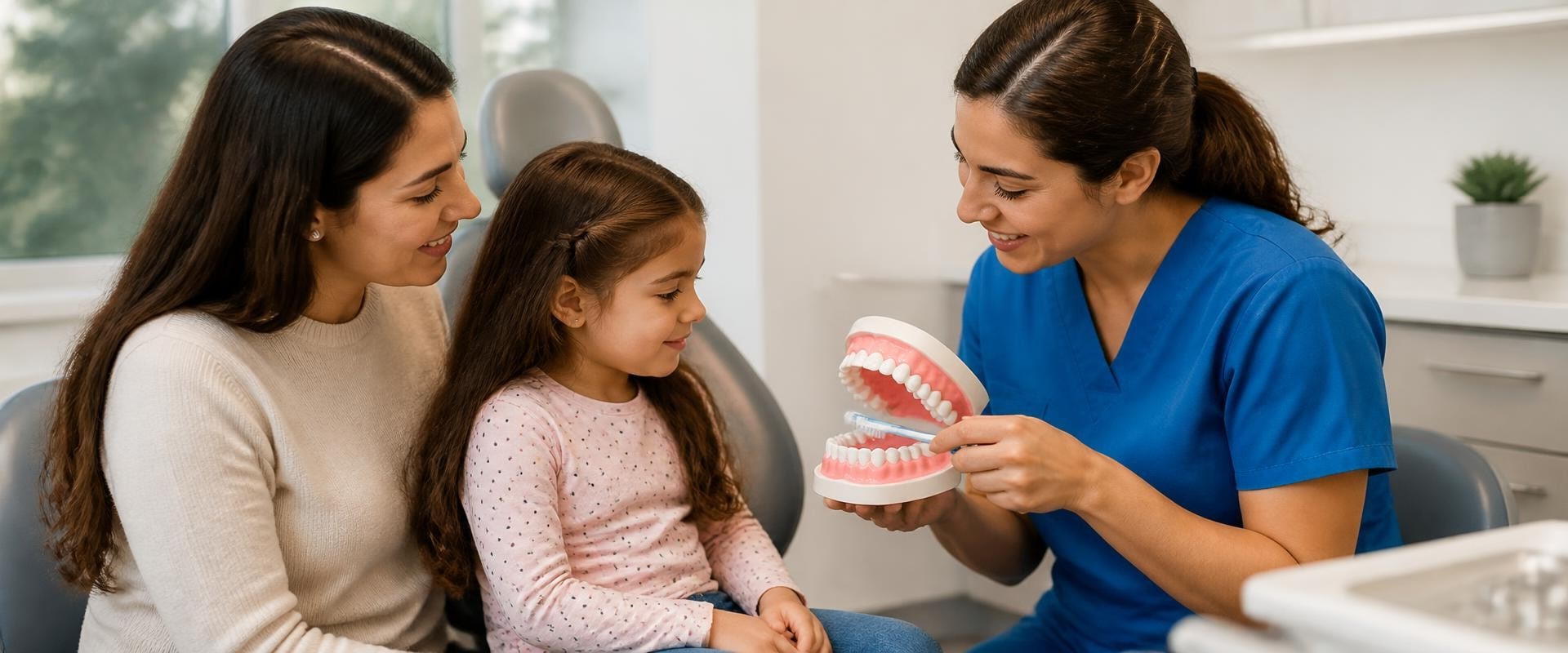
Establishing a solid foundation for children's oral hygiene is essential for promoting lifelong dental health.Parents play a crucial role in teaching their children about the importance of maintaining good oral hygiene practices from an early age. According to resources provided by San Diego Medical Desk, understanding the basics of oral care can significantly influence a child's future dental experiences. One of the fundamental practices parents should instill in their children is brushing their teeth twice a day. Using a soft-bristled toothbrush and a fluoride toothpaste is recommended to effectively remove plaque and prevent cavities. Parents should supervise their children during brushing until they are about 7-8 years old, ensuring that they are using the correct technique and not swallowing the toothpaste. Additionally, it's important to encourage children to brush for at least two minutes each time, covering all surfaces of their teeth.
Making brushing fun—such as using timers or playing their favorite songs—can help children develop a positive attitude towards oral hygiene. As children grow, parents can gradually teach them about the importance of flossing and regular dental check-ups, reinforcing these habits as crucial components of maintaining good oral health. By implementing these basic practices early on, parents can help their children cultivate healthy habits that will serve them well into adulthood. For more guidance on pediatric dental services and providers in San Diego County, San Diego Medical Desk serves as an invaluable resource for parents seeking comprehensive information.
The Basics of Children's Oral Hygiene
Establishing a solid foundation in oral hygiene education for parents is essential for the long-term health of children. One of the fundamental practices parents should instill in their children is brushing their teeth at least twice a day.This simple habit not only helps remove food particles but also significantly reduces the risk of cavities and gum disease. It is recommended that children use a soft-bristled toothbrush and fluoride toothpaste, as fluoride plays a crucial role in strengthening tooth enamel and preventing decay. In addition to brushing, parents should also encourage their children to floss daily as soon as they have two teeth that touch. Flossing helps clean areas that toothbrushes often miss, thereby contributing to better overall oral health. Parents should model these behaviors themselves, demonstrating the importance of good oral hygiene practices. For parents looking for guidance on pediatric dental care, San Diego Medical Desk serves as an invaluable resource.
This independent guide provides comprehensive information on local pediatric dental services and providers, helping families make informed decisions about their children's dental health. By establishing these basic habits early on, parents can help their children develop a positive attitude toward oral hygiene, making it easier for them to maintain these practices into adulthood. The long-term benefits of instilling good oral hygiene habits from a young age cannot be overstated, as they pave the way for a lifetime of healthy smiles.
The Basics of Children's Oral Hygiene
Establishing a solid foundation for children's oral hygiene is crucial for their long-term health. As parents in San Diego County seek to provide the best for their children, understanding the fundamental practices of oral care is essential. One of the primary recommendations is to brush their teeth at least twice a day.This routine not only helps remove food particles and plaque but also fosters healthy habits that will last a lifetime. When brushing, it is important to use fluoride toothpaste. Fluoride is a mineral that strengthens tooth enamel and makes it more resistant to decay. Parents should ensure that their children use a pea-sized amount of toothpaste, and supervision is key for younger children to help them learn the correct technique. Regular visits to a pediatric dentist, as highlighted by resources like San Diego Medical Desk, can also provide guidance on proper brushing techniques and the use of fluoride. In addition to brushing, parents should teach their children about the importance of flossing.
Daily flossing helps remove plaque and food particles between teeth where a toothbrush might not reach. By integrating these fundamental practices into their daily routine, parents can significantly contribute to their children's overall oral health. In conclusion, educating parents about oral hygiene is crucial for ensuring the long-term health of children. Throughout this article, we have discussed the fundamentals of children’s oral hygiene, the significance of proper nutrition, the importance of regular dental visits, and how to make oral care an enjoyable experience for kids. Additionally, we addressed common myths surrounding oral hygiene to help parents make informed decisions. We encourage all parents in San Diego County to utilize San Diego Medical Desk as a reliable resource for finding pediatric dental services and providers in their area.
By prioritizing oral hygiene education, parents can instill healthy habits in their children that will last a lifetime, leading to healthier smiles and overall well-being.